
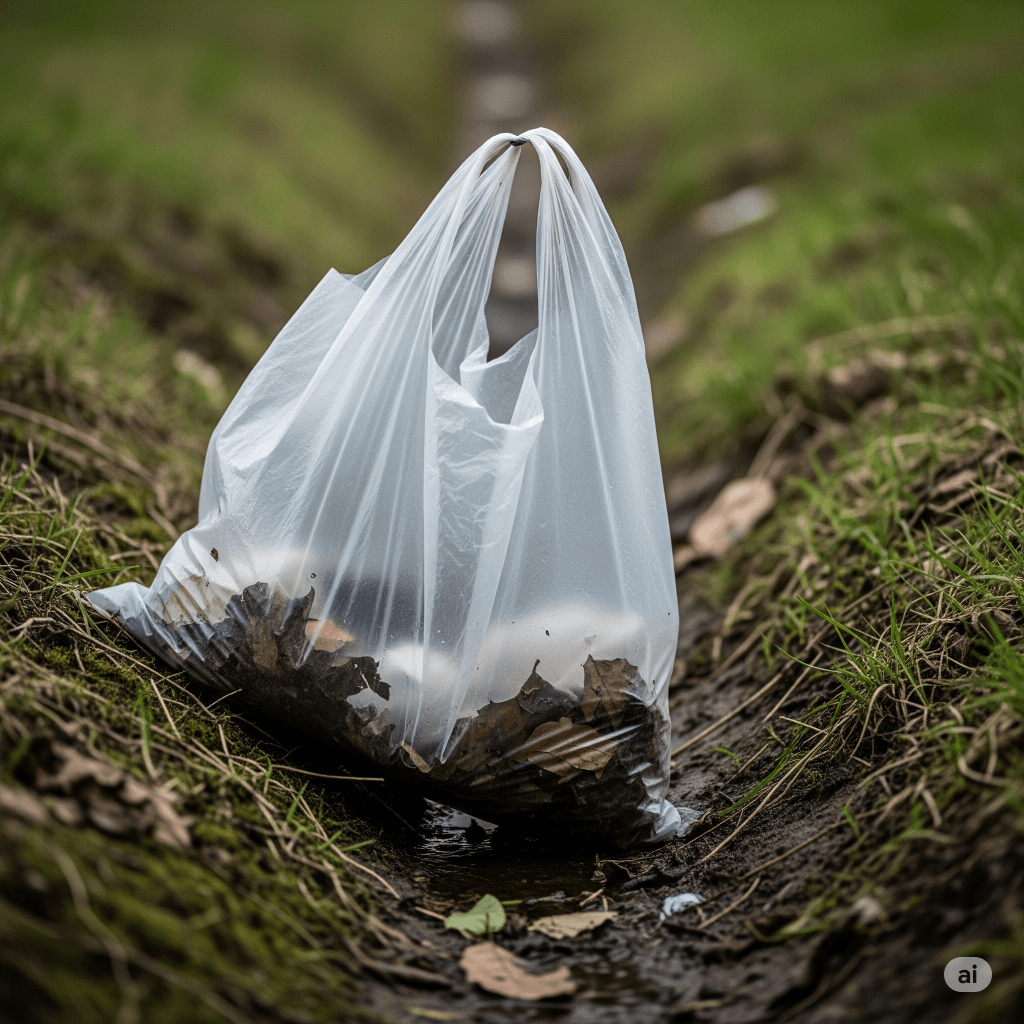
In countries like Kenya and Rwanda, where plastic bans are strictly enforced, small businesses face a tough choice: absorb the extra cost of eco-friendly bags or pass it on to customers who can barely afford it.
A study in Nairobi found that reusable cloth bags can cost 5 to 10 times more than thin plastic bags, while biodegradable options are still 2 to 3 times pricier. For a street vendor selling tomatoes or a mama mboga (vegetable seller) operating on razor-thin margins, this added expense cuts deeply into profits.
The problem is worse in informal economies, where most transactions are small-scale and cash-based. Unlike supermarkets that can buy reusable bags in bulk, micro-businesses struggle with upfront costs. Some vendors resort to illegal plastic smuggling or flimsy packaging like old newspapers, undermining the ban’s effectiveness. Others simply charge customers for bags, which can drive away price-sensitive buyers.
Governments and NGOs have tried to help—Rwanda subsidized reusable bags after its ban, while Kenya promoted woven baskets (like the traditional “kiondo”) as a cultural alternative. But scaling these solutions remains a challenge. Without cheap, accessible, and durable alternatives plastic bans risk hurting the very people they’re meant to help.
The lesson? Plastic bans work—but only if affordable alternatives exist. For real change, policymakers must support small businesses with subsidies, local manufacturing of cheap reusable bags, and public awareness campaigns. Otherwise, the fight against plastic pollution could come at the cost of economic survival for Africa’s informal traders.