
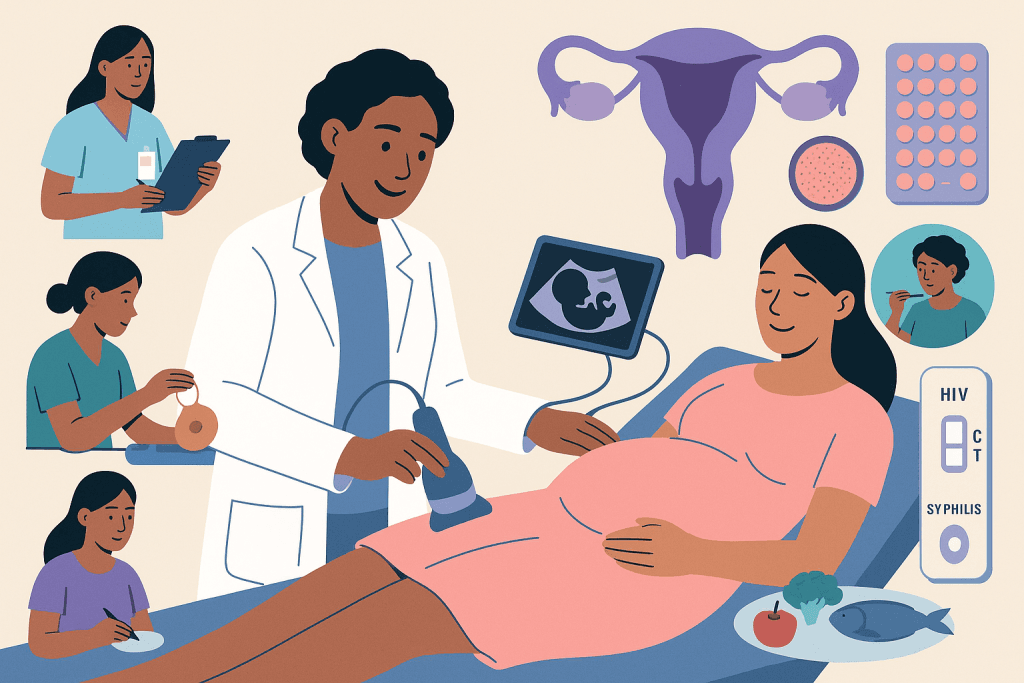
The funding will support more than 40 innovations, many targeting women in low- and middle-income countries, where limited infrastructure and workforce shortages often hinder access to care. The focus areas include improving maternal health, advancing nutrition and gut health, expanding contraceptive options, addressing gynecological and menstrual health, and reducing the burden of sexually transmitted infections.
Projects already entering the market include a low-cost postpartum hemorrhage drape for accurate blood loss measurement during childbirth, single-infusion intravenous iron to treat anemia in late pregnancy, and a self-injectable contraceptive now available in more than 35 countries. Other innovations, such as AI-enabled portable ultrasounds and microneedle contraceptive patches, are in development.
The initiative builds on 25 years of Gates Foundation work in maternal and child health, nutrition science, and contraceptive technology. The foundation says improving women’s health is key to ending preventable maternal and child deaths, eradicating infectious diseases for the next generation, and lifting millions out of poverty by 2045.
Despite recent progress, the foundation warns that women’s health research remains severely underfunded and is calling on governments, philanthropies, and private investors to increase their support.
“Women’s health is the backbone of global progress,” a foundation spokesperson said. “With the right investments, we can save lives, reduce inequities, and unlock potential for generations to come.”