
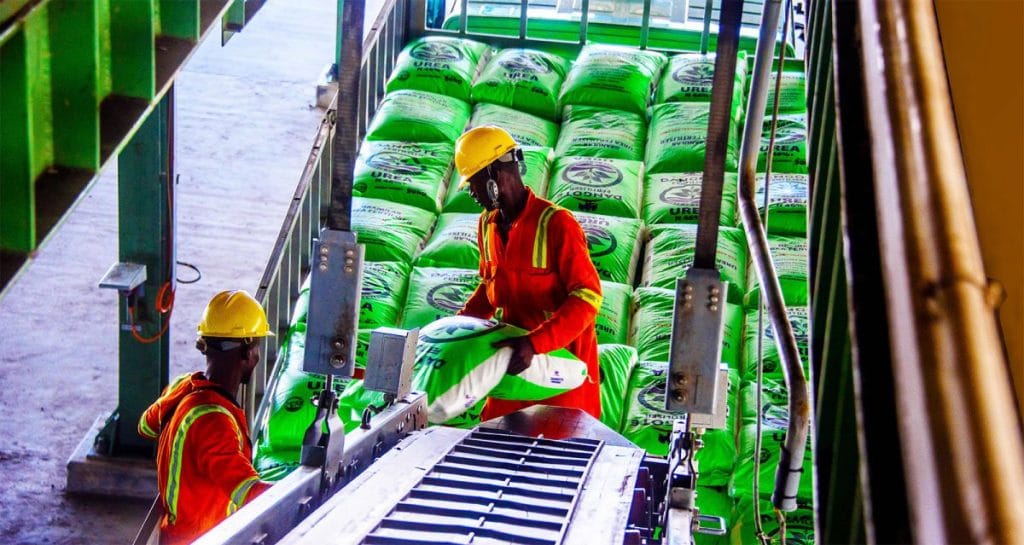
In a landmark move for East African industrialization, the Dangote Group has begun construction of a monumental $2.5 billion fertiliser plant in Ethiopia, a project set to reshape the region’s agricultural and economic landscape. The plant, a partnership with the sovereign wealth fund Ethiopian Investment Holdings (EIH), signals a powerful vote of confidence in Ethiopia’s potential and a tangible step toward Pan-African industrial integration.
The facility, located in Gode, will leverage Ethiopia’s long-underutilized natural gas reserves from the Hilal and Calub fields to produce 3 million metric tonnes of urea annually. This strategic move not only adds value to domestic resources but also directly addresses Africa’s crippling fertiliser deficit, a major bottleneck to achieving food security.
From Untapped Reserves to Agricultural Revolution
For decades, Ethiopia’s natural gas discoveries in the Ogaden Basin remained largely untapped, a symbol of potential unfulfilled. This new project marks a decisive shift. By channelling this gas into fertiliser production, Ethiopia is set to become a major player in the regional market. Beyond urea, the plant will produce a suite of critical fertilisers, including ammonium nitrate, ammonium sulphate, NPK, and calcium ammonium nitrate, providing Ethiopian farmers with the tools to dramatically increase crop yields.
The project’s financial backing reads as a who’s who of African finance, with Afreximbank, the Africa Finance Corporation, Access Bank, First Bank, and Zenith Bank providing the necessary capital—a testament to the project’s viability and strategic importance.
At the groundbreaking ceremony, Ethiopian Prime Minister Abiy Ahmed framed the project as more than an industrial venture. “This plant is a beacon of African industrial unity and economic progress,” he stated, highlighting its role in fulfilling the continent’s long-held ambition to create integrated, internal value chains.
A Blueprint Forged in Nigeria
Aliko Dangote, Africa’s richest man, praised Ethiopia’s economic reforms and drew a direct line from his group’s successes in Nigeria to the potential in Ethiopia. “Only Africans can truly transform Africa,” Dangote asserted, a statement underscored by his track record.
The Dangote Group’s colossal refinery and fertiliser complex in Nigeria has already begun to alter the nation’s economic destiny, slashing imports and creating a resilient industrial base. This foray into Ethiopia is seen as an export of that blueprint—using scale and integrated production to achieve self-sufficiency and dominate regional markets.
Analysts suggest that within five years, this single project could propel Ethiopia into the ranks of Africa’s top agricultural economies, turning the nation from a fertiliser importer into a key exporter for East and Southern Africa. For the farmers of Ethiopia and beyond, it promises affordability and availability; for the continent, it is a powerful lesson in how to convert natural resource wealth into tangible, transformative development.