
While significant strides were made in boosting financial pledges, substantial gaps remain, and crucial negotiations on adaptation and land degradation have hit roadblocks.
A key outcome of COP29 was the commitment from developed countries to increase climate finance for developing nations to $300 billion annually by 2035. This represents a tripling of the $100 billion goal initially set in 2009, a pledge that has been repeatedly missed. However, even this increased amount falls short of the demands from developing countries, who argue that far greater resources are needed to address the escalating impacts of climate change.
The African continent, in particular, illustrates the scale of the financial challenge. According to the latest Nationally Determined Contribution (NDC) submissions, Africa’s total climate finance needs for mitigation, adaptation, loss and damage, and cross-cutting issues are estimated at a staggering $1.6 to $1.9 trillion by 2030.
COP29 did finalize the institutional setup of the Fund for Responding to Loss and Damage (FRLD), to be administered by the World Bank, and committed to beginning payouts in 2026. This fund is intended to assist vulnerable nations in recovering from climate-related disasters. However, initial pledges to the FRLD currently total only $700 million, a mere 0.6% of the estimated climate-related damages Africa alone is projected to face by 2030, highlighting the massive discrepancy between promised aid and actual need.
Furthermore, negotiations on a framework to track the Global Goal on Adaptation, as outlined in Article 7 of the Paris Agreement, which saw momentum at COP28, have stalled. This lack of progress leaves vulnerable nations without a clear mechanism for assessing and enhancing their adaptation efforts.
Following COP29, attention shifted to Riyadh, Saudi Arabia, for COP16 of the United Nations Convention to Combat Desertification (UNCCD). The talks focused on financing restoration and land degradation neutrality, critical issues for many developing nations facing desertification and drought. The UNCCD estimates a $2.6 trillion financing gap by 2030 to address these challenges.
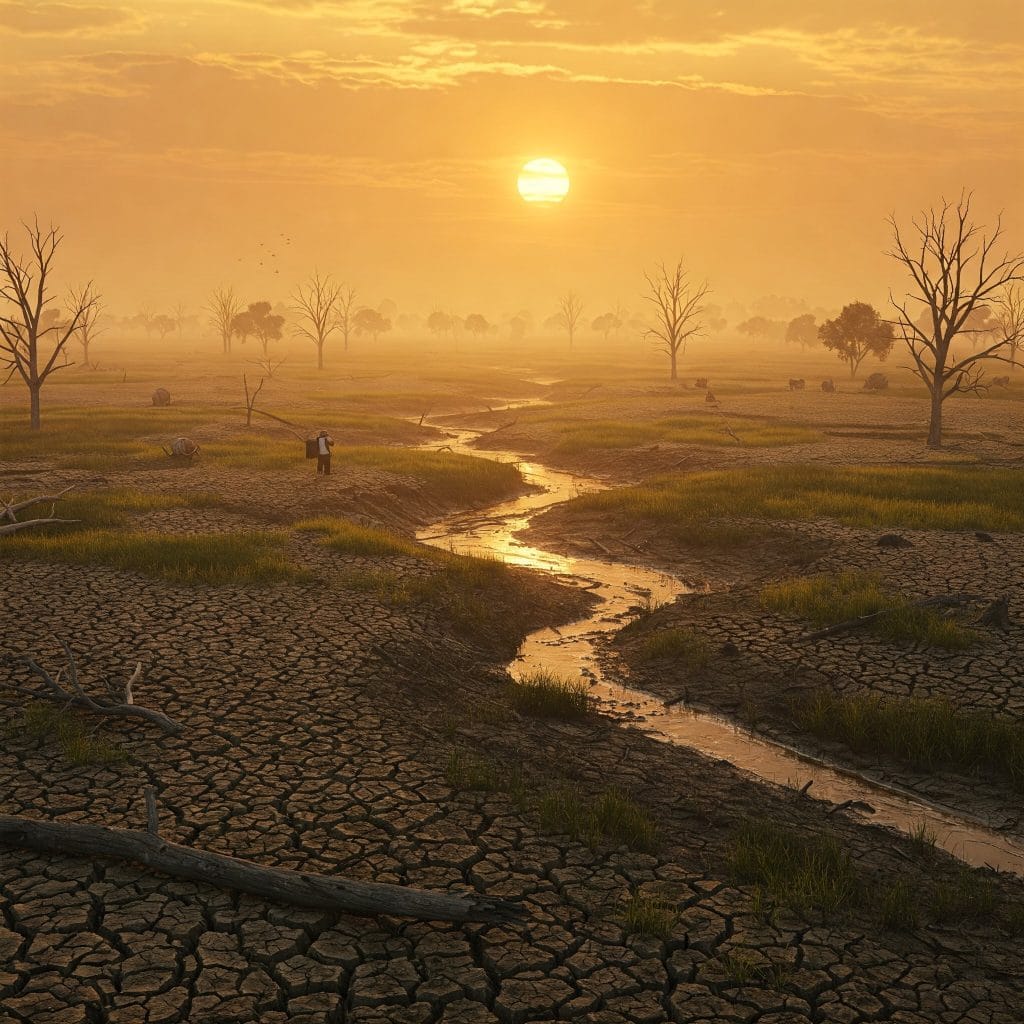
Despite the focus on land restoration, COP16 failed to produce a binding agreement on tackling drought worldwide. The discussions were postponed to COP17, scheduled for Mongolia in 2026, leaving many nations facing immediate drought crises without concrete solutions.
The mixed results of COP29 and COP16 underscore the ongoing struggle to translate climate commitments into tangible action. While the increased financial pledges are a step forward, the persistent gaps and stalled negotiations highlight the urgent need for greater ambition and cooperation to address the escalating climate crisis. The world now looks to future COPs and international forums to bridge these gaps and ensure equitable and effective climate action.