
The urgency of this program is underscored by the rising demand for animal and aquatic foods, coupled with the detrimental effects of climate change, environmental degradation, systemic inequities, and productivity gaps. These factors collectively threaten food security and the livelihoods of millions, especially within LMICs. Small-scale producers, who are the backbone of food supply in Africa and Asia, face mounting challenges including soaring input costs and limited access to financing and technology. Simultaneously, the livestock sector contributes significantly to global greenhouse gas emissions, and unsustainable fishing practices endanger vital biodiversity.
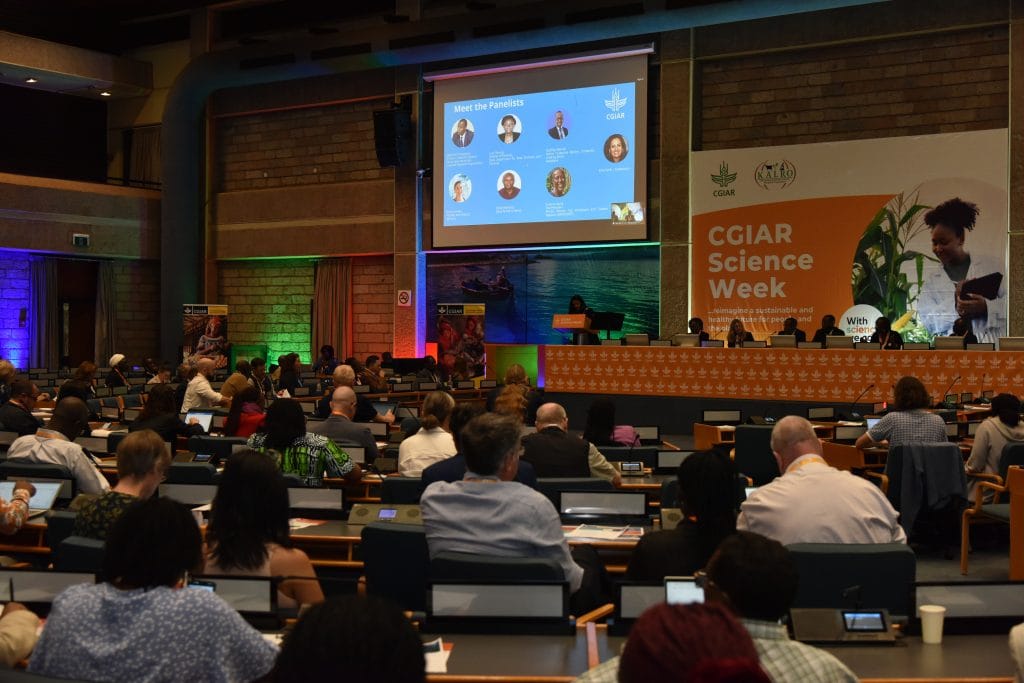
During a high-level session at CGIAR Science Week, experts, policymakers, investors, and farmers convened to discuss a science and equity-driven path forward. Dr. Rodrigue Yossa, Interim Director of the SAAF Program, emphasized the critical juncture at which animal and aquatic food systems stand. “We cannot afford business as usual,” he stated, highlighting the projected 30% increase in demand for animal-source foods by 2050, largely driven by LMICs and accompanied by increased emissions. SAAF aims to bridge the gap between scientific innovation and on-the-ground action, enabling farmers to adopt practices that boost productivity while safeguarding the environment.
SAAF’s comprehensive approach tackles the complexities of these food systems through six integrated work areas. These include enhancing productivity via genetics and animal health, promoting regenerative aquaculture and low-emission livestock systems, ensuring food safety and health through One Health approaches, and expanding opportunities for women and youth across value chains. The program also harnesses the power of digital innovations like AI and blockchain to facilitate informed decision-making and create inclusive, data-driven markets that empower smallholder producers.
Planned for implementation across 17 countries, including Kenya, Ethiopia, Bangladesh, Colombia, and Ghana, SAAF aims to reach over 1.7 million people through 18 targeted projects. The program seeks to unlock $84 million in funding to drive impactful innovations such as methane-reducing tropical forages and carbon-sequestering seaweed farms.
Lucy Obungu, Director of Fisheries in Kenya, highlighted the potential of SAAF’s focus on aquaponics, digital tools, and gender equity to revolutionize Kenya’s blue economy, addressing challenges faced by small-scale fishers. This ambitious program is built on strong partnerships with national governments, universities (particularly in the Global South), NGOs, and private sector actors, aiming to bolster national capacity through technical support, extension training, and innovation hubs rather than replacing existing systems.
Kristen Girvetz, co-founder of AgThrive, pointed out the critical need to support agri-SMEs, which often face underfunding, and how SAAF’s investment readiness programs can unlock crucial capital. Oliver Mukunza, a dairy farmer from Kakamega, emphasized the importance of affordable and practical technology for farmers, highlighting how simple practices have already improved his income.
SAAF directly aligns with CGIAR’s 2030 agenda, striving to create food systems that are climate-resilient, inclusive, nutrition-driven, and powered by innovation. The program’s overarching vision is to sustainably transform animal and aquatic food systems into sources of nutrient-dense, low-emission foods that improve lives, health, and the environment across LMICs. Ishmahane Elouafi, CGIAR Executive Managing Director, concluded that “SAAF is more than a program; it’s a platform for systemic change. By uniting research, policy, and private sector action, we can ensure nutritious, sustainable foods for all.”