
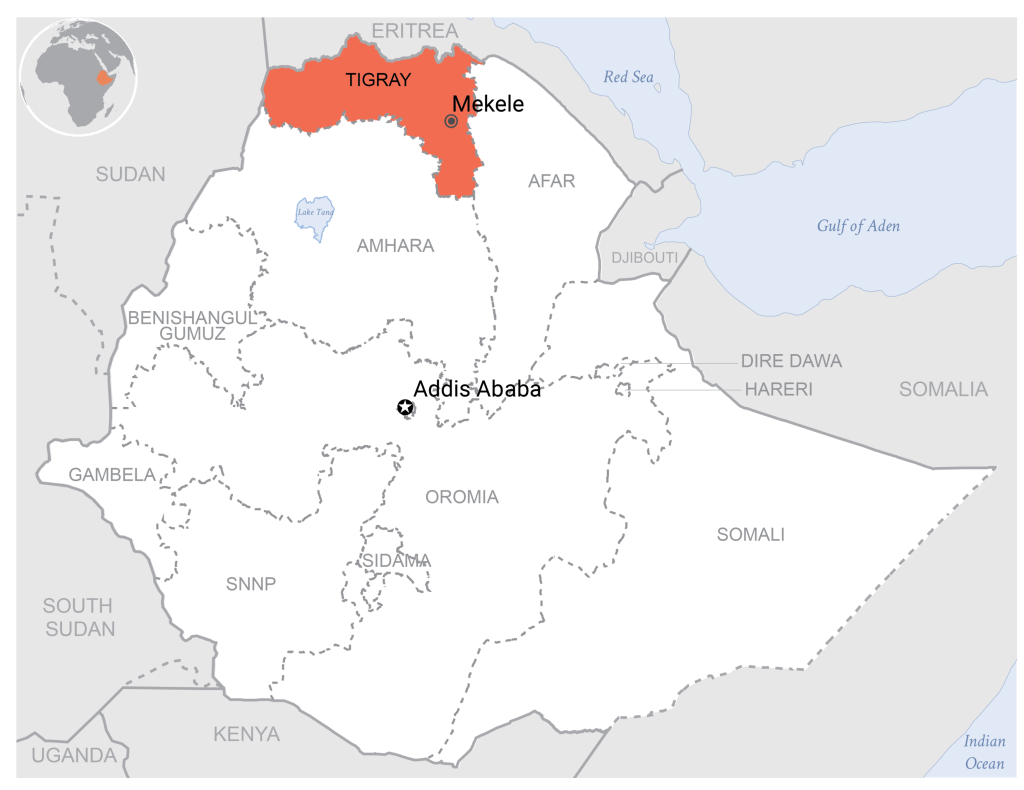
The region, which had successfully reduced its HIV prevalence rate to a low 1.4%, is now witnessing a significant increase in positive cases, according to health officials.
Akberet Mengesha, the Anti-retroviral therapy Department Coordinator at Ayder Referral Hospital in Mekele, reports a “considerable” increase in the average monthly positive rate. This surge is directly linked to the widespread sexual violence that plagued the conflict. A 2023 study published in BMJ Global Health estimated that as many as 10% of women and girls aged between 15 and 49 in the region, home to 6 million people, were subjected to sexual abuse, primarily rape.
The conflict also systematically dismantled Tigray’s healthcare infrastructure. Another study in BMJ Global Health revealed that only 17% of health centers in the region remained functional after the war, leaving a decimated system unable to effectively address the growing health crisis.
The collapse of the healthcare system, coupled with the rampant sexual violence, has created a perfect storm for the spread of HIV. The destruction of health facilities disrupted access to testing, treatment, and prevention services, while the trauma of sexual violence left many vulnerable and unable to seek help.
The resurgence of HIV in Tigray represents a tragic setback in the fight against the disease. The international community is urged to provide urgent support to rebuild the region’s healthcare system and address the long-term consequences of the conflict, including the devastating impact on HIV prevention and treatment efforts.