
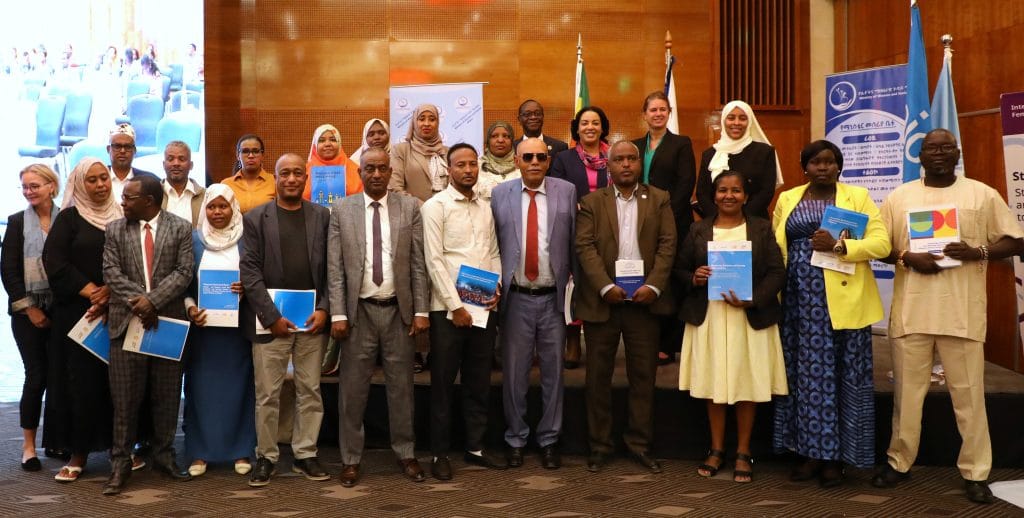
The country faces a critical challenge: to protect an estimated 2.5 million girls at risk of FGM by 2030, Ethiopia needs to increase its current efforts five-fold, according to UNICEF (2024) and UNFPA (2015) data.
FGM, a severe violation of human rights, infringes upon equality, bodily autonomy, and non-discrimination, as well as the right to freedom from torture and cruel treatment. The practice restricts girls’ and women’s access to essential services like health and education, hindering their full potential. Despite national recognition of its illegality, an estimated 25 million Ethiopian girls and women have already undergone FGM.
“It is clear that we have to accelerate our efforts five times our current level in order to end FGM in Ethiopia,” stated Koffi Kouame, UNFPA Country Representative. He emphasized the UN Joint Programme on FGM’s commitment to building a community-led movement involving girls, religious leaders, boys, men, and women. “Supporting and re-aligning our collective strengths on these different community members will enable the formation of local champions and alliances to end FGM,” Kouame stressed.
Dr. Aboubacar Kampo, UNICEF Representative in Ethiopia, echoed this urgency. “The fact that girls are still subjected to FGM is unacceptable. As we approach the final five years leading up to the sustainable development goal of ending FGM by 2030, it is essential to strengthen our multi-sectoral approach on advocacy and programmatic interventions at national, regional, and local levels to end FGM,” Kampo said. He highlighted the importance of community engagement, particularly youth-led initiatives, in driving lasting change.
While Ethiopia has made notable progress in reducing FGM prevalence, as demonstrated by a recent Network of Ethiopian Women Association (NEWA) survey showing a decline among women aged 15-29 from 47% in 2016 to 38.9% in 2024, and among women aged 15-50 from 65% to 48.5%, much more work remains to achieve the 2030 SDG target.
The UNFPA and UNICEF Joint Programme on the Elimination of FGM will continue to support the Ministry of Women and Social Affairs and other partners in their intensified efforts to eradicate FGM in Ethiopia by 2030.