
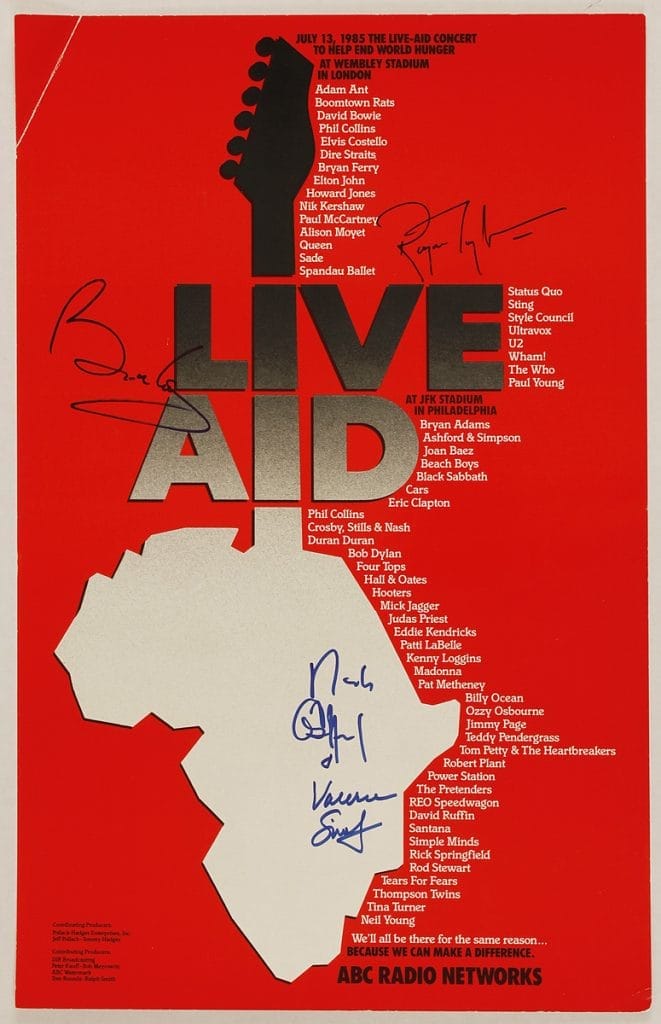
The #StopBandAid movement, spearheaded by Ghanaian-British artist Fuse ODG, is calling on the BBC to halt its planned documentary celebrating Band Aid. The initiative argues that such a production perpetuates harmful stereotypes and undermines the continent’s agency and progress.
The Live Aid concert, while raising millions for famine relief in Ethiopia, has been criticized for painting a picture of Africa as helpless and dependent on Western charity. This narrative, according to critics, has had a lasting impact, shaping perceptions and influencing policies towards the continent.
Fuse ODG, who famously declined to participate in Band Aid 30, has been vocal about the need to challenge these outdated narratives. “African problems should be solved by Africans,” he asserts. The #StopBandAid campaign echoes this sentiment, emphasizing the importance of self-representation and challenging the dominance of Western narratives in shaping Africa’s story.
The campaign’s concerns are backed by research. A recent report by Africa No Filter reveals that stereotypical media portrayals cost Africa billions of dollars annually. These narratives can impact investment decisions, tourism, and even the terms of international aid.
The #StopBandAid campaign serves as a powerful reminder that the stories told about Africa matter. It’s a call for a more nuanced, balanced, and ultimately empowering narrative – one that recognizes the continent’s diversity, resilience, and potential. As the campaign gains momentum, it raises a critical question: Who gets to tell Africa’s story?