
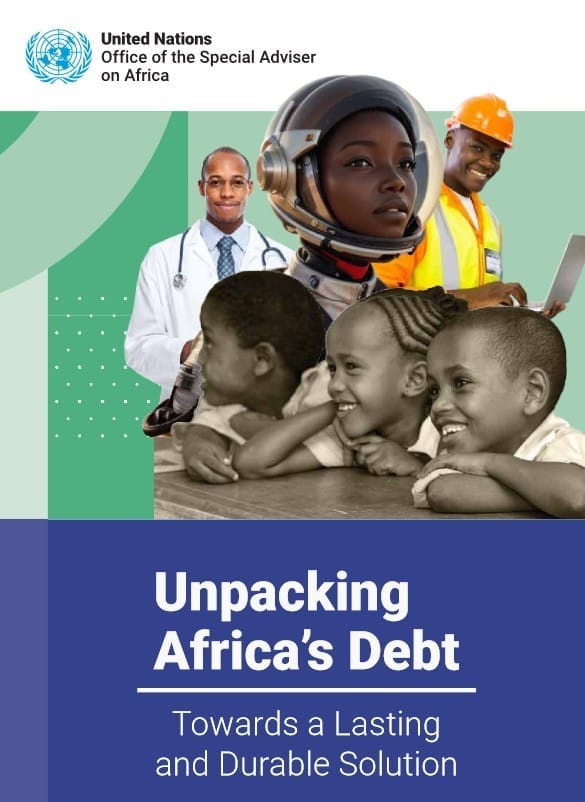
This financial strain is largely attributed to high interest rates on loans from international markets, exacerbated by global crises like the COVID-19 pandemic and the war in Ukraine. The report warns that 21 low-income African countries are at risk of falling into “debt distress” due to these challenges.
Key Findings:
- Rising Debt Service Costs: Africa’s debt service payments are consuming a growing share of government revenues, leaving less room for essential investments.
- Shift in Debt Composition: The continent’s debt profile has shifted towards private creditors, making debt restructuring more complex.
- Impact on Public Services: Many African countries are forced to prioritize debt repayments over spending on healthcare, education, and infrastructure.
Ethiopia’s Situation:
While the report does not provide specific data on Ethiopia’s debt burden, the country’s recent launch of a nationwide citizen registration project for national ID cards suggests a focus on improving access to public services and financial inclusion. This initiative aligns with the report’s recommendations for strengthening domestic resource mobilization and investing in sustainable development goals.
Call for Action:
The report calls for urgent action to address Africa’s debt crisis, including reforming the international financial architecture and promoting sustainable debt management practices. It emphasizes the need for a comprehensive approach that supports economic recovery, strengthens public finances, and prioritizes investments in human development.
The UN’s findings underscore the urgent need for global cooperation to ensure that Africa’s debt burden does not derail its progress towards achieving the Sustainable Development Goals.